


Seeing the Place Again
September 8, 2026
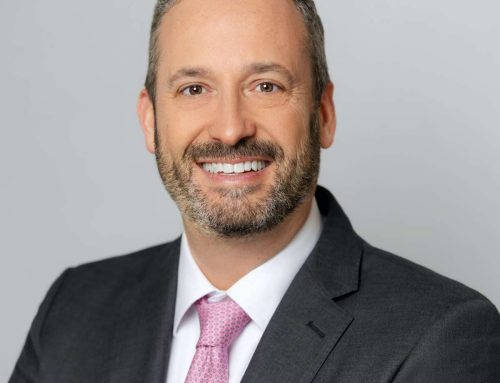
 by Rabbi Benjamin Berger (YCT ‘09), incoming President and CEO of Yeshivat Chovevei Torah
As we approached the Canadian Rockies, wildfires hundreds of miles to the west had filled the air with smoke. Driving toward what we knew to be some of the most majestic mountains in North America was eerie. We could make out only vague silhouettes of the imposing peaks in the background.
We had come to hike those mountains, and I had spent months preparing. But somehow their obscurity made them more intimidating. I knew they were there without being able to see their contours or comprehend their scale. My imagination filled in what the smoke obscured.
Over the coming days, the smoke began to clear. And eventually we were no longer looking at the mountains from the road. We were standing at their base, preparing to climb.
The mountains had not become smaller. If anything, their enormity was now more apparent. But my fear had changed. I could see the trail. I had the gear I needed. I had experienced guides, new friends, and my wife beside me. I was ready.
The mountain had come into view. But so, in a different way, had I.
I have been thinking about that experience as we approach the Yamim Nora’im, a season that asks us to contemplate beginnings and returns.
The Torah reading for the second day of Rosh Hashanah brings us to another mountain. God commands Abraham to take Isaac and travel:
אֶל אֶרֶץ הַמֹּרִיָּה וְהַעֲלֵהוּ שָׁם לְעֹלָה עַל אַחַד הֶהָרִים אֲשֶׁר אֹמַר אֵלֶיךָ
to the land of Moriah, and offer him there as a burnt offering upon one of the mountains that I will tell you. (Genesis 22:2)
Abraham knows the direction of his journey—the land of Moriah—but not yet the particular mountain toward which he is being called. Then, on the third day:
וַיִּשָּׂא אַבְרָהָם אֶת עֵינָיו וַיַּרְא אֶת הַמָּקוֹם מֵרָחֹק
Abraham lifted his eyes and saw the place from afar. (Genesis 22:4)
Something subtle has changed. What began as “one of the mountains” has become “the place” — הַמָּקוֹם.
Ramban, drawing on the midrashic tradition that Abraham saw a cloud bound to the mountain, explains that this moment of recognition fulfilled God’s earlier promise to identify the mountain: “upon one of the mountains that I will tell you.” Abraham sees, and in that seeing he knows that he has arrived at the place God intended.
But that reading leaves us with a question. God had promised Abraham אֲשֶׁר אֹמַר אֵלֶיךָ — “that I will tell you.” And yet, when the moment comes, God does not tell Abraham anything. Instead, Abraham lifts his eyes and sees.
Rav Avraham Yitzhak HaKohen Kook, in his commentary on the Akedah in Olat Re’ayah, notices precisely this shift:
וּבִמְקוֹם שֶׁהָיָה צָרִיךְ לָבֹא דִּבּוּר, אֲמִירָה לְיַחֵד אֶת הָהָר… בָּאָה הַהוֹפָעָה בַּחֲזוֹן הָרְאִיָּה.
Where one might have expected speech—a divine utterance identifying the mountain—instead the revelation came through a vision of seeing.
What Abraham had first received as words and direction he ultimately comes to recognize for himself. The journey has brought him from being told where he is going to visually seeing the place before him.
There are things we can be told, and there are things we must travel far to see. Not because proximity itself necessarily gives us clarity, but because a journey can change the person who is doing the seeing. By the time we arrive, we may be able to see differently than we could when we set out.
Perhaps this is one reason the language of “new beginnings” can be misleading. We tend to imagine a beginning as a clean slate, a chance to leave the past behind and start over. But the central spiritual movement of these days is called תשובה—return. The Jewish imagination offers us something more complicated than starting over. It asks us to consider the possibility that sometimes we begin anew precisely by returning, because the journey has changed the person who returns.
That paradox appears in words we return to again and again during this season:
הֲשִׁיבֵנוּ ה׳ אֵלֶיךָ וְנָשׁוּבָה חַדֵּשׁ יָמֵינוּ כְּקֶדֶם
Return us, God, to You and we shall return; renew our days as of old. (Eikhah 5:21).
The tension is right there in the Hebrew: חַדֵּשׁ, make new; כְּקֶדֶם, as before. Are we asking to go backward or forward? For restoration or renewal?
R. Levi Yitzhak of Berditchev, the Kedushat Levi, asks precisely this question:
וְיֵשׁ דִּקְדּוּק מַאי כְּקֶדֶם
There is a difficulty: what does “as before” mean?
His answer rests on the idea that God is continually renewing life. Teshuvah is therefore possible because the person who returns can understand:
שֶׁהוּא כָּעֵת בְּרִיאָה חֲדָשָׁה
that at this very moment, he is a new creation.
That is, we can return because we can become new.
I have been sitting with that idea a lot as we approach 5787.
In 2004, I arrived at Yeshivat Chovevei Torah as a young seeker. I was inspired by the audacity of its founders and the Torah of its teachers. I was eager to learn, eager to serve, and eager to become a leader who might make a meaningful contribution to the Jewish people.
Five years later, YCT had prepared me to leave its walls and begin that work.
Seventeen years have passed since then, and this year I am returning to the institution that once prepared me to leave it, now entrusted with helping to lead it. It is a return I could never have imagined when I first walked through YCT’s doors.
I return carrying what I have learned and am shaped by those I have encountered along the way: communities and organizations I have served, teachers and colleagues from whom I have learned, moments of accomplishment and moments of failure, family and friendships, and experiences I could not have anticipated when I first arrived as a student. The place is familiar. But I am not quite the same person who left it.
And because I have changed, I wonder what I am now able to see differently.
וַיַּרְא אֶת הַמָּקוֹם מֵרָחֹק
He saw the place from afar.
Distance can obscure. But it can also reveal. Sometimes we have to travel far from a place before we understand what it gave us. Sometimes years have to pass before we can see dimensions of a relationship, a community, a text, or ourselves that we simply could not see when we were standing closer.
That is not only the experience of returning to an institution. It is part of the spiritual work of these awesome days. Teshuvah asks us to return—to God, to other people, to commitments we have made, perhaps even to parts of ourselves we have not visited in some time. And yet the person who returns is never quite the person who left.
Nor should we be.
הֲשִׁיבֵנוּ ה׳ אֵלֶיךָ וְנָשׁוּבָה חַדֵּשׁ יָמֵינוּ כְּקֶדֶם
Return us, God, to You and we shall return; renew our days as of old.
Perhaps it is not that we are meant to recover the past, but that we encounter it anew. That we return without pretending we have not traveled, bringing with us what the journey has taught us and perhaps seeing things that were there all along but that we were not yet able to see.
Standing before those mountains this summer, I discovered that seeing them clearly did not make them smaller. The climb remained formidable. But I also discovered that I had not arrived empty-handed. I was prepared.
We never know at the beginning of a journey what we will be able to see from the other side of it. Sometimes the journey takes us somewhere entirely new. And sometimes, unexpectedly, it brings us back to a familiar place—and allows us to see it again.
And these immortal words are spoken in the plural: “Return us, and we shall return.” We do not return alone.
May we enter this new year ready to see with new eyes, to help one another find the way forward, and to begin the climb together.


Related Posts



Recent Posts


