Livyat Chen – YCT’s Center for Pastoral Rabbinic Training in Israel

Livyat Chen Logo

Vision

Livyat Chen seeks to strengthen the role of the Rav and Rabbanit as a pastoral care provider for those in need.

Mission

To be a leading center for pastoral care training in Israel.

To achieve this mission we will:

  • Provide supervision and facilitate communities of practice for rabbanim and rabbaniyot as relates to their pastoral care provision
  • Offer rabbinic chaplaincy intensives
  • Offer pastoral care training as part of a variety of batei midrash
  • Raise awareness in the larger rabbinic world as to the importance of training and supervision in pastoral care
  • Raise awareness in the general public of the potential benefits of turning to their rav or rabbanit for pastoral care

Need

Many Jewish Israelis do not even think of rabbanim and rabbaniyot as someone to turn to in times of crisis, or for spiritual growth. Many rabbis, when approached, tend to focus on giving a halakhic ruling or providing spiritual inspiration, rather than pastoral care. Very few rabbis, even those who understand the value of pastoral care and try to provide it, have received training. There isn’t yet a culture of receiving supervision for one’s pastoral care provision (as is the practice in the world of therapy, and as is generally weak among clergy across settings), nor are there many communities of practice for discussing challenges in pastoral care provision.

The benefits of pastoral care

  • They, or a family member, are in crisis and looking for support
  • Fear that bad things are coming (e.g., in times of illness)
  • Needing support after a loss
  • Anger, and other emotional upheavals
  • Challenging chronic situations (e.g., mental illness in the family, children with special needs)
  • Feelings of guilt
  • Anger at God
  • Feeling disconnected from the religious community
  • Feeling they’ve lost their way, or their sense of meaning, or their sense of personal value
  • Looking to live a more spiritual life
  • Feeling more loved (by the rabbi, by God)
  • A space to hold what they’re going through, and a calming space
  • Having someone to lean on
  • Feeling like the Torah has a place for them
  • Encountering the wisdom of the Torah in a way that helps them figure out the path they want to take forward
  • Spiritual growth
  • Gaining a greater understanding of the person they’re in conflict with
  • Having a spiritual experience that helps build them up
  • Strengthening their faith
  • Ability to express hope
  • Finding a sense of meaning
  • Connecting to the tradition

Current Activities

  • 10 rabbanim and rabbaniyot, from a wide variety of settings (high school, post high school, shul communities, kibbutz, activist community), meeting for 7 monthly sessions (35 total hours)
  • Bringing real-time situations of challenging pastoral care to discuss with the group
  • Personal learning and growth through Torah study, arts, and “spiritual hevruta” conversations. Looking at key Torah concepts together with life issues that we all face, to better understand our personal reactions to the situations where we are called to provide pastoral care

Rikmah rabbinic beit midrash. As part of the beit midrash, for the past three years we have arranged for a 50-hour summer chaplaincy intensive offered by Rambam Health Care Campus, in Haifa. Members of the beit midrash care for patients and family members throughout the hospital and take a giant step forward in their abilities to provide pastoral care in illness and at the end of life.

The directors of Livyat Chen were invited to develop a curriculum and teach courses in the foundations of pastoral care in various batei midrash, including Tehila (Maharat – Ein Hanetziv) and Rabanut Yisraelit, the latter in partnership with YCT.

  • As part of Beit Hillel’s halakhic beit midrash, the organization produced a responsa about traveling on Shabbat after receiving notification that one’s family member is imminently dying. In the opening part of the responsa, the director of Livyat Chen contributed a chapter about pastoral care and chaplaincy and the difference between them. A shortened version was placed in Makor Rishon, the most widely-read newspaper in the religious Zionist community the newspaper, with a link to the full version.
  • Conference at Ichilov hospital about the complementary roles of medical staff, chaplains, and rabanim and rabaniyot in supporting patients and families at the end of life. Led by Beit Hillel and co-sponsored by Livyat Chen.
  • Regel bi’Kever, an annual event on the night of Tisha B’Av co-sponsored by Livyat Chen. The midrash teaches that for 40 years in the desert, every Tisha B’av all the adults would dig their own graves and lie down in them, and not everyone would wake up the next morning. In our modern society, we’re often so scared to think about death that we put up such big barriers that can make it hard to actually cope when the time comes. This event, primarily for the religious community, aims to open a space to speak and learn Torah in the face of our mortality.

Lead Staff

Rabbi Mike Schultz

Rabbi Mike Schultz, a musmakh of Yeshivat Chovevei Torah and a member of the Israeli rabbinic organization Beit Hillel, is the Director of Spiritual Care at Rambam Health Care Campus, in Haifa, Israel. He is a certified spiritual caregiver in Israel and the US and a certified spiritual care educator, who has led the training program at Rambam for the past 8 years, training 40 new professionals. As part of YCT’s Rikmah beit midrash for rabbis, he offers a 60-hour summer chaplaincy intensive. Since 2021, he has led YCT’s Livyat Chen – strengthening pastoral care provision in Israel.
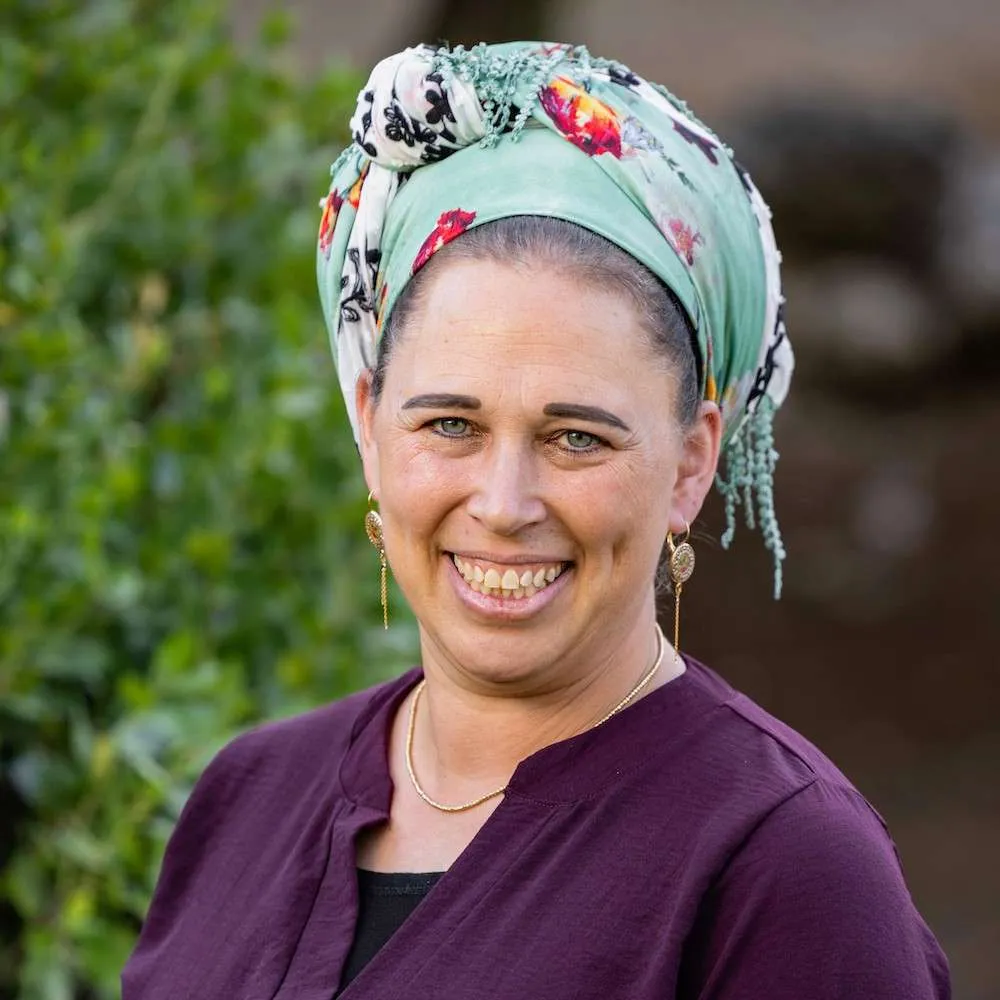
Rabanit Rahel Wachtfogel

Rabanit Rahel Wachtfogel was ordained by Beit Morasha, and runs the Meshivat Nefesh website where women halachic decisors answer questions from the community. She is the Rabbanit Ulpana for the Amit girls’ high school in Beit Shemesh. She completed her full, 2-year training as a spiritual caregiver and is passionate about bringing these skills into the rabbinic world. She co-leads the supervisory group.

For more information about the program, contact us at livyathen.yct@gmail.com

Explore Our Programs