The Kollel for Psak brings together men and women, from the US and Israel, who serve as rabbinic figures in their communities. They are shul Rabbis and teachers, who answer halakhic questions for their congregants and students. Participating in the Kollel for Psak strengths these leaders’ voices to better address the pressing needs facing the modern Jew.
The Kollel is entering its 5th year, with over 25 alumni.
Kollel participants are men and women who are high-level learners, with semikha or the equivalent, and who are invested in participating in the halakhic discourse of the Modern Orthodox community.
Topics the Kollel has addressed in past years have been: Disabilities, Aging and Elderly, Mental Health and Welcoming Synagogues.
Examples of Teshuvot
*Teshuvot reflect the halakhic conclusions of the writers alone and are not necessarily intended as a final psak by their authors.
Reflections from past Kollel fellows
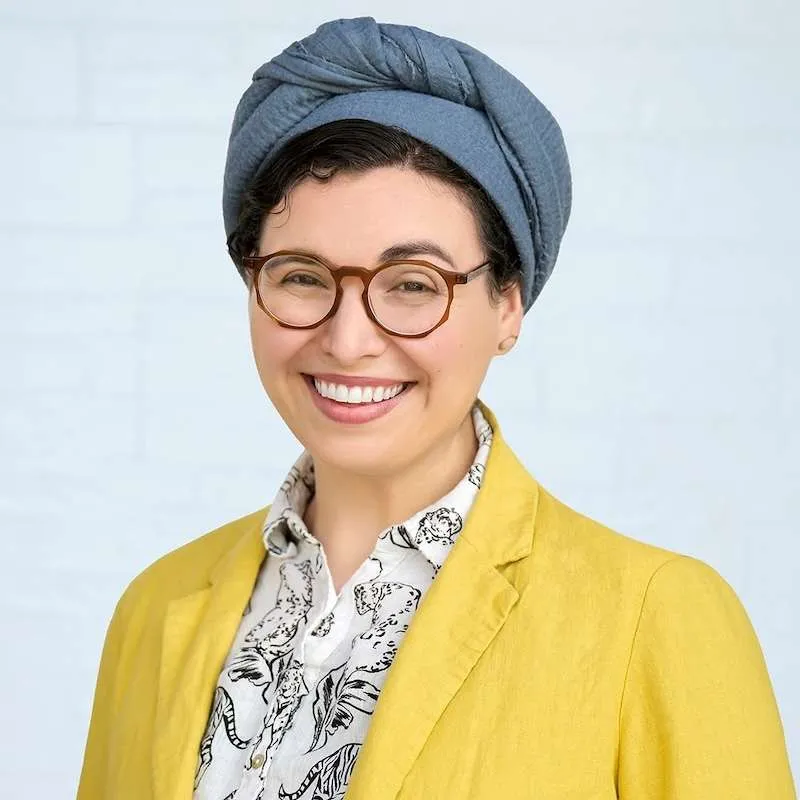
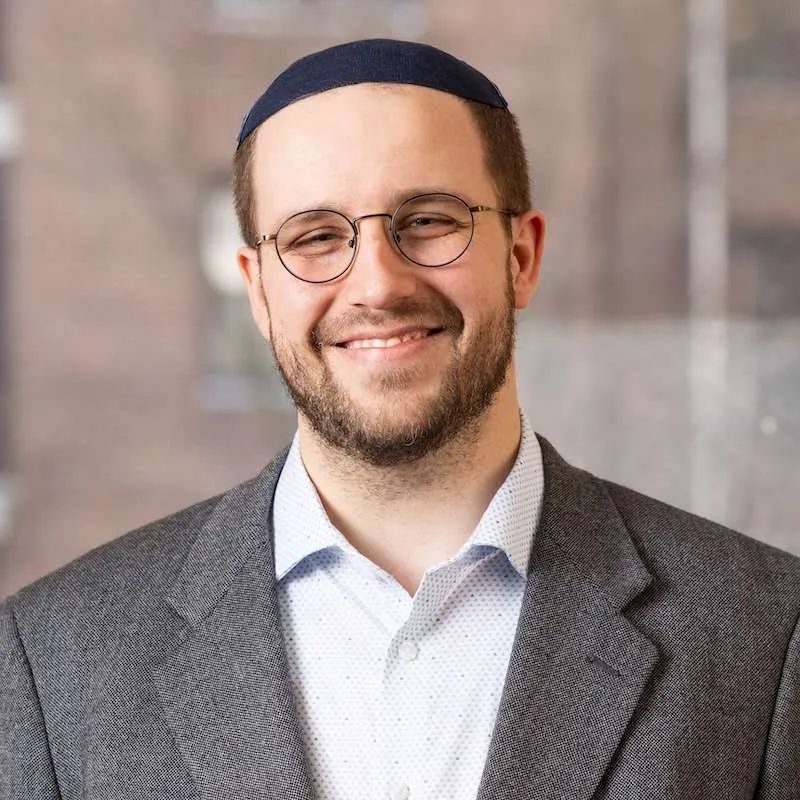
Meet the Kollel’s Rabbanim and Rabbaniyot











Goals & Objectives
- To develop halakhic authorities for the Modern Orthodox community who are anchored in the community’s realities and its ethos and who bring to their psak deep scholarship, rigor, sensitivity and integrity.
- To produce serious halakhic scholarship and Psak on the pressing topics of today.
- To create rabbinic community and fellowship. Rabbis deeply desire a sense of community and fellowship, which can give them a sense of belonging and mutual support to discuss with their peers halakhic issues they encounter.
Why is this Kollel program unique?
Focuses on Psak and not just Torah Study
Men and Women Poskim, in Partnership
Geared towards Shul Rabbis and Rabbis anchored with in a community
Direct and Personalized Mentorship and Guidance from the Roshei Kollel
Teshuvot relevant to the needs of the community are produced
Mentorship
“The opportunity to learn how to write a teshuva and what makes a good and effective teshuva - from R. Linzer is a privilege. The sessions at YCT were both friendly and fun but also packed with good learning and teaching, which I hope will stay with me forever. R. Linzer's focused comments on our work helped make it a better teshuva and taught me so much. I enjoyed being pushed to do better and think more sharply.”

Finding Your Voice
“The Kollel was focused on a specific genre and skill that largely goes unaddressed in training for communal rabbis. I was surprised personally at how deeply my leadership was affected in these short weeks - it was clearly a wonderful Program, AND it showed how hungry I must have been to cultivate this aspect of my Torah leadership. “
Finding Your Voice
“The leader I am after this Kollel for psak is not the same leader I was before. I am more deeply aware of our rich tradition of responsa literature and how they have responded to the greatest questions in Jewish history. I have been equipped with a toolbox of what it looks like to take deeply rooted Torah into the world to become a balm for some of the most difficult issues the Jewish community faces today.”
Cohort/ Communal Roles
“The sense of a community of mature adult wise community leader/rabbi peers and the real dynamic give-and-take with each other and with R Linzer and R Yoni, where their gadlus b'torah uv'chochmah was deeply esteemed, but there was real open exchange and the idea that we all had something to learn from each other, was truly unique and special. I have never experienced that combination of factors at this stage of my career.”
Psak
“I have had to think about making local ad hoc psak for individual question from my congregants. But I have never had to think through a big topic this way and approach it from the perspective of making psak. It was a very powerful (and empowering) experience for me!”
Psak
“I found it to be very liberating and confidence building to think about analyzing a halachic question through the lens of psak, and not shying away from the values that I hope to arrive at as I develop a conclusion. I found that the classes were particularly helpful as it gave us a lens into the method of analysis from a number of different perspectives.”
Finding Your Voice
“I felt like a different leader, even after the first week. I came to my leadership at an era of “you need to write a Halachic essay about everything” - exploring every possible angle or perspective before any decision can be made. This can be quite overwhelming, and I’ve noticed how difficult it can be to make values based Halachic decisions with this culture as the backdrop. After this experience, I’ve felt more comfortable making judgement calls and teaching about them, using a well supported argument in halacha and hashkafa .”
Finding Your Voice
“The rabbinic (male and female) leaders is the Modern Open Orthodox Communities in the US and Israel have too few opportunities to learn together and understand the issues that each is facing. This program provides that opportunity while also training rabbis to be confident in the halachic voices.”
Program Description
The Kollel currently runs for 4 weeks in the summer with the goal of eventually expanding this to a full-year program. Flights, lodging and a food allowance are provided. The Kollel opens with a two week in person learning intensive at YCT and continues for another two weeks on zoom while the participants write their teshuvah. By the end of the summer each havruta pair will submit a written teshuvah.
Program Leadership

Rabbi Dov Linzer, President & Rosh HaYeshiva, Norman & Tova Bulow Chair
An acclaimed Torah and halakha scholar, Rabbi Linzer has been a leading rabbinic voice in the Modern Orthodox community for over 25 years. He has published over 100 teshuvot (responsa) and scholarly Torah articles, and hosts a number of highly popular Torah podcasts. He is co-author, together with Abigail Pogrebin, of It Takes Two To Torah: An Orthodox Rabbi and Reform Journalist Discuss and Debate Their Way Through the Five Books of Moses and will soon be coming out with The Rosh Yeshiva Responds, a collection of his scholarly, halakhic teshuvot to the yeshiva’s hundreds of rabbis in-the-field.
In his capacity as a mentor, Rabbi Linzer provides religious guidance to the yeshiva’s students and the over 150 YCT-ordained rabbis who are serving in the field. He answers hundreds of halakhic questions from YCT rabbis and broader community each year, which are available to the public on his blog, psak.yctorah.org.
YCT is proud to have Yeshivat Machanayim, Yeshivat Maalei Gilboa, Yeshivat Siach Yitzchak and Yeshivat Otniel as co-sponsors.